
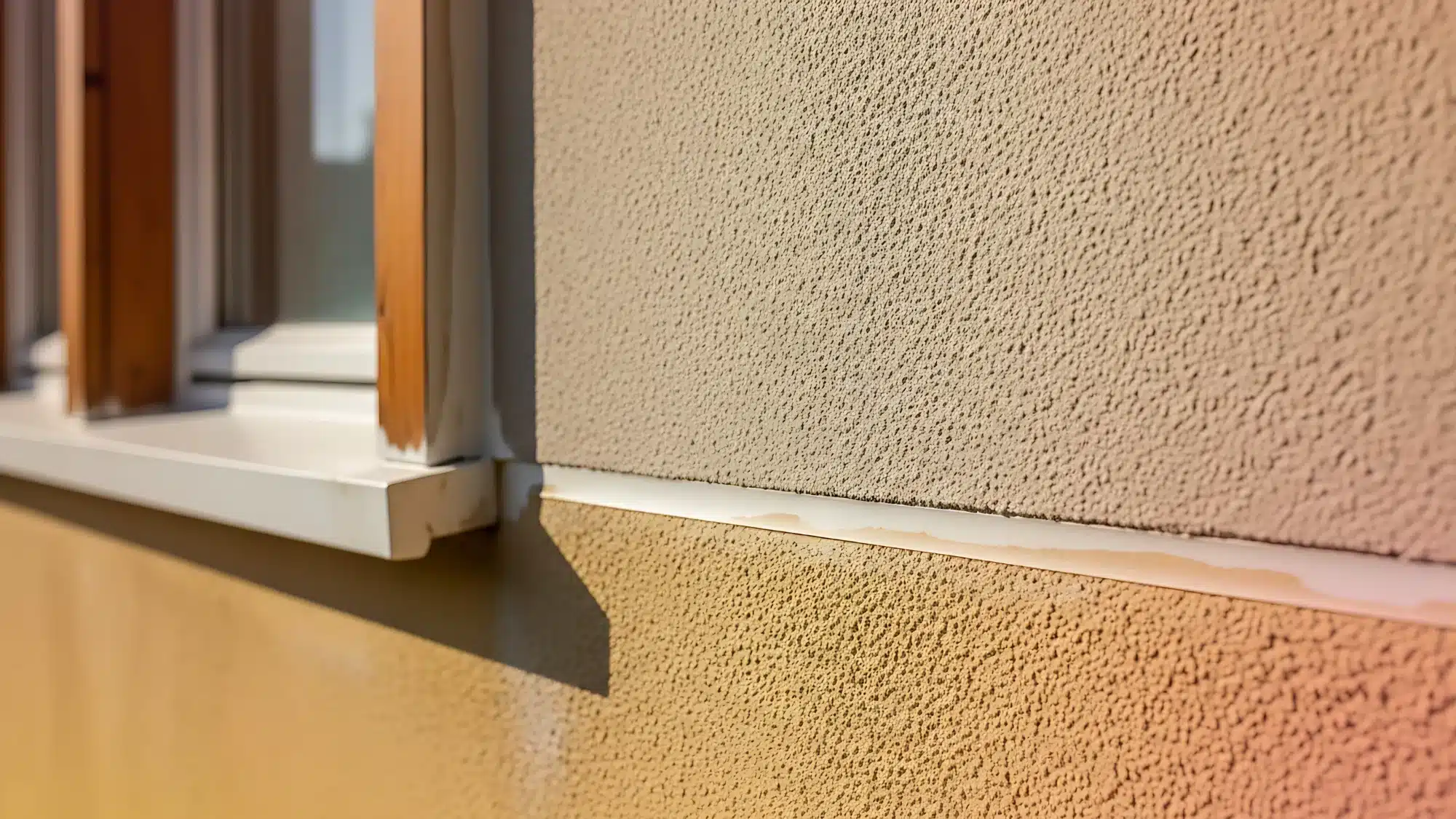
Coastal Florida homes face unique challenges from salt-saturated air, humidity, and frequent wind-driven spray. For property owners and builders, understanding how coastal salt air affects stucco exteriors is essential to protect the longevity and appearance of a home. CDP Stucco focuses on practical, evidence-based guidance for coastal environments, including Northwest Florida, where the Gulf Breeze amplifies these effects. This article outlines what happens to stucco in salty air and offers practical maintenance and repair strategies aligned with local conditions. If you’re seeking solutions tailored to Northwest Florida, consider the best stucco repair options after a careful inspection.
How Coastal Salt Air Affects Stucco
Salt in the air can penetrate porous cementitious stucco surfaces, especially when wind-driven spray contacts walls near the ground or at open corners and eaves. Over time, several processes can occur:
- Salt ingress and crystallization: Salt particles drawn into the pore structure can crystallize as moisture moves through the stucco. This crystallization exerts pressure on the surface, contributing to microcracking and accelerated deterioration of the finish.
- Efflorescence and staining: Moisture migrating through the stucco can bring soluble salts to the surface, leaving white, powdery deposits known as efflorescence. While largely cosmetic, persistent efflorescence indicates ongoing moisture movement that can compromise coatings and substrate.
- Deterioration of coatings: Exterior paints and sealants may degrade faster in salt-rich environments due to chemical interaction with airborne salts and greater moisture cycling. This can lead to blistering, peeling, or reduced water repellency.
- Mold, mildew, and mildew-related staining: High humidity combined with shade and coastal moisture creates conditions conducive to mildew and mold growth on textured stucco surfaces, affecting appearance and indoor/outdoor air quality.
- Corrosion of metal components: While not a direct effect on the stucco itself, coastal salt air accelerates corrosion of metal lath, flashings, and fasteners embedded in or behind the stucco, which can create gaps and water intrusion pathways that damage the system.
Common Indicators of Salt-Related Damage in Northwest Florida
- Visible cracks, scaling, or powdery surface texture
- White efflorescence on walls or near joints
- Peeling or delaminating coatings, especially after rainy seasons
- Damp, musty patches or staining under eaves and near downspouts
- Rust-colored staining around metal components or fastener heads
Prevention and Maintenance for Coastal Homes
To mitigate salt-related damage, adopt a proactive maintenance approach:
- Schedule regular inspections: Have a qualified contractor assess stucco condition, flashings, and caulking annually, or after major storm events.
- Use breathable, salt-resistant coatings: Choose finish coats and elastomeric or acrylic sealants designed for high humidity and salt exposure, applied with proper thickness and workmanship.
- Manage moisture: Ensure effective drainage, clean gutters, and maintain proper flashing around doors, windows, and openings. A moisture-management system with a drainage plane can help reduce moisture migration.
- Protect against spray zones: Install or adjust landscaping and exterior features to reduce direct spray contact on wall surfaces, and consider additional wall protection in low-sitting areas.
- Clean judiciously: Clean stucco with gentle, non-abrasive methods. Avoid high-pressure washing that can push moisture deeper or damage the surface texture and coatings.
- Promptly repair cracks and penetrations: Seal cracks and joints promptly to prevent salt-laden moisture from entering and to maintain the integrity of the protective coatings.
Choosing the Best Stucco Repair in Northwest Florida
When selecting a contractor for coastal stucco repairs, prioritize local expertise and reliable practices:
- Local licensing and insurance: Confirm the contractor is licensed and carries adequate liability and workers’ compensation coverage.
- Experience with salt air environments: Ask about projects in Northwest Florida and the types of stucco systems used (cementitious stucco, elastomeric coatings, or other approved finishes) for coastal climates.
- Clear scope and warranty: Request a written scope, moisture assessment, and a warranty that covers workmanship and coatings for a reasonable period.
- Material transparency: Understand whether the proposed repair relies on traditional three-coat stucco, EIFS, or cementitious overlays, and how they address wind-driven spray and moisture management.
- References and samples: Review before-and-after photos and contact references about performance in similar coastal settings.
For property owners in Northwest Florida seeking durable, climate-appropriate stucco solutions, CDP Stucco offers guidance and services tailored to coastal exteriors. If you’re evaluating options for the best stucco repair in Northwest Florida, a thorough assessment of moisture pathways, salt exposure, and long-term protection is essential. Contact CDP Stucco to schedule an inspection, discuss coating choices, and outline a maintenance plan designed for a coastal lifestyle and climate.
Coastal salt air presents real challenges for stucco exteriors, but with informed maintenance and skilled repair, you can preserve curb appeal and structural integrity. For homeowners in Northwest Florida, prioritizing a thoughtful approach to coatings, moisture management, and timely repairs is key. Reach out to CDP Stucco to discuss the best stucco repair options in Northwest Florida and to receive a detailed assessment and quote.