
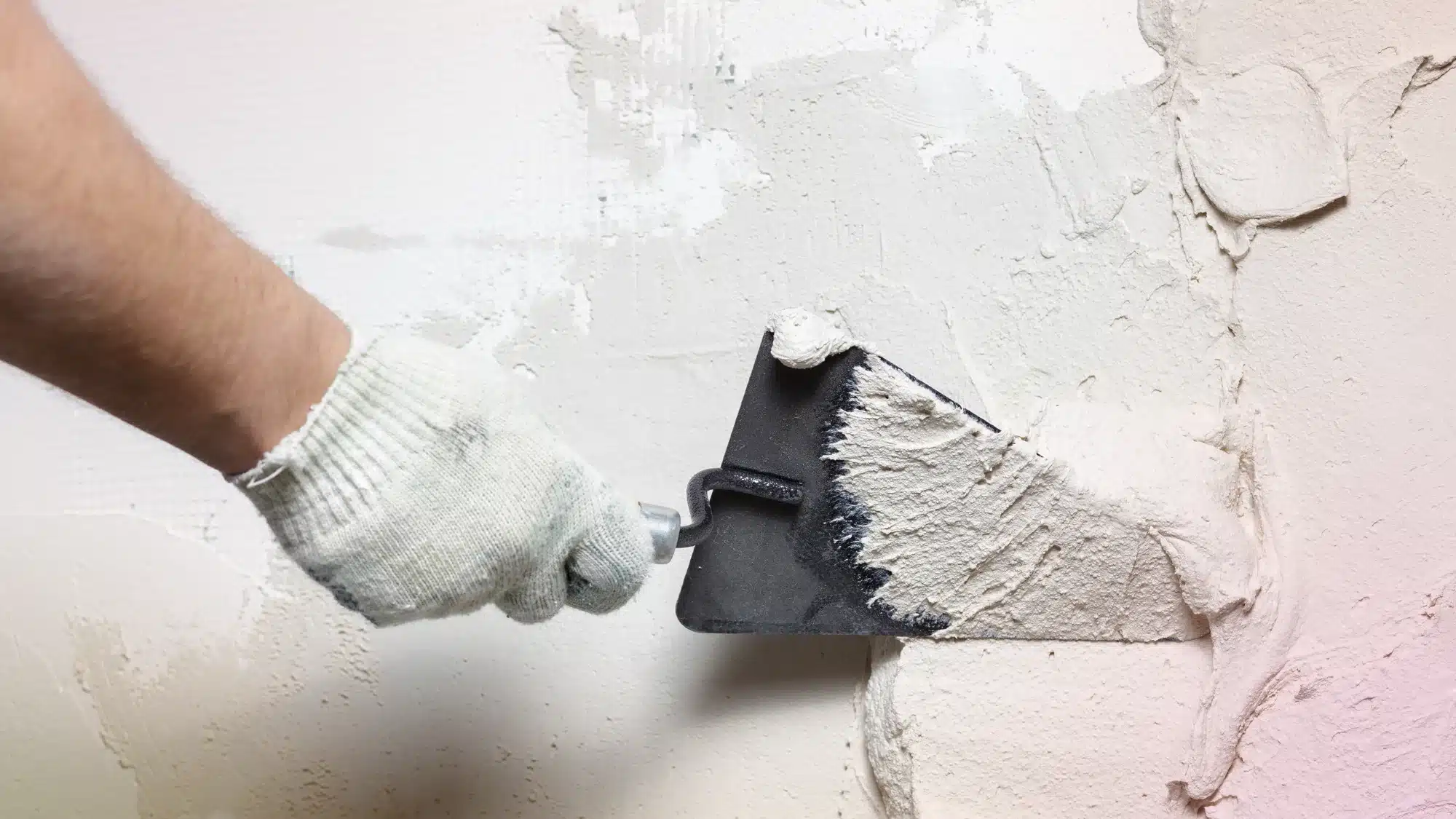
If you’re exploring exterior finishes for a Florida home or commercial building, understanding the differences between acrylic stucco and traditional stucco is essential. CDP Stucco serves Florida property owners with expert guidance and installation options, including acrylic stucco installation Florida businesses and homeowners trust. This article explains what each material is, how they perform in real-world conditions, and what to consider when choosing between them.
Understanding traditional stucco
Traditional stucco is a cementitious plaster finish, typically composed of Portland cement, sand, and water, sometimes with lime to improve workability. It is usually applied over a lath substrate in multiple coats (scratch coat, brown coat, and finish coat). Traditional stucco is known for its durability, long track record, and natural, matte appearance. Proper installation emphasizes moisture management, proper flashing, and a well-sealed, breathable system to prevent trapped moisture. Because it is relatively rigid, traditional stucco can crack with structural movement or ground shifting, especially if the substrate or framing experiences movement over time. Regular maintenance may include cleaning and addressing cracks promptly to protect the underlying substrate.
Understanding acrylic stucco
Acrylic stucco, often referred to as elastomeric or polymer-modified cement plaster, uses acrylic polymers in the mix to create a flexible outer coating. This flexibility helps accommodate movement and temperature fluctuations without cracking as readily as traditional cement-based finishes. Acrylic finishes can be tinted to a wide range of colors and tend to retain color well over time. They also offer enhanced water resistance and impact resistance when properly installed. However, acrylic stucco requires careful surface preparation, moisture barriers, and attention to ventilation to avoid moisture entrapment behind the finish. In many projects, acrylic stucco is applied over a cementitious base with a dedicated bonding agent and sometimes a mesh or reinforcement layer for added stability.
Florida climate considerations: performance and durability
Florida’s hot, humid climate, heavy rainfall, and strong sun place unique demands on exterior finishes. Traditional stucco has a long history in Florida and can perform very well with appropriate moisture management, flashing, and sealing. Acrylic stucco often appeals to Florida projects because of its elasticity, which helps accommodate thermal expansion and contraction and resist minor cracking from movement or wind-driven rain. Regardless of the material, proper installation is critical: a solid moisture barrier, correct flashing at doors and windows, and a well-sealed control joint strategy are essential to prevent moisture intrusion and to maintain long-term performance. For homeowners seeking a resilient finish, acrylic stucco installation can be a strong option when paired with skilled application and code-compliant detailing.
Aesthetics, maintenance, and cost considerations
Aesthetically, traditional stucco offers a classic, mineral-based look with color that ages gradually. Acrylic stucco provides a broader palette and typically smoother, more uniform color, with the option for a seamless appearance and easier cleaning. In terms of maintenance, acrylic finishes can be easier to clean and may resist staining better, but they can show wear if exposed to sharp impacts or abrasions. Cost-wise, acrylic finishes generally carry a higher upfront price due to materials and specialty application, but lifecycle costs will depend on climate, maintenance, and the quality of installation. When evaluating options, consider local climate, sun exposure, and expected building movement.
Making the right choice for your project
- Hire a licensed, reputable contractor with Florida-specific experience in both traditional and acrylic finishes.
- Request references and a written warranty that covers both materials and workmanship.
- Ask about substrate preparation, moisture barriers, and flashing details to ensure a durable system in Florida weather.
- If you’re leaning toward acrylic, discuss color retention, UV resistance, and cleaning requirements to maximize performance.
CDP Stucco supports homeowners and business owners in identifying the best exterior finish for their needs. If you’re considering acrylic stucco installation in Florida, we can provide guidance on suitability, prepare the substrate, and execute a quality installation with attention to local climate considerations. For an informed assessment and professional installation, contact CDP Stucco to discuss options, timelines, and a transparent quote.
Both acrylic and traditional stucco have earned places in Florida construction. The right choice depends on climate, movement, maintenance expectations, and the quality of installation. Proceed with a qualified contractor to ensure a durable, aesthetically pleasing result that stands up to Florida’s weather.