
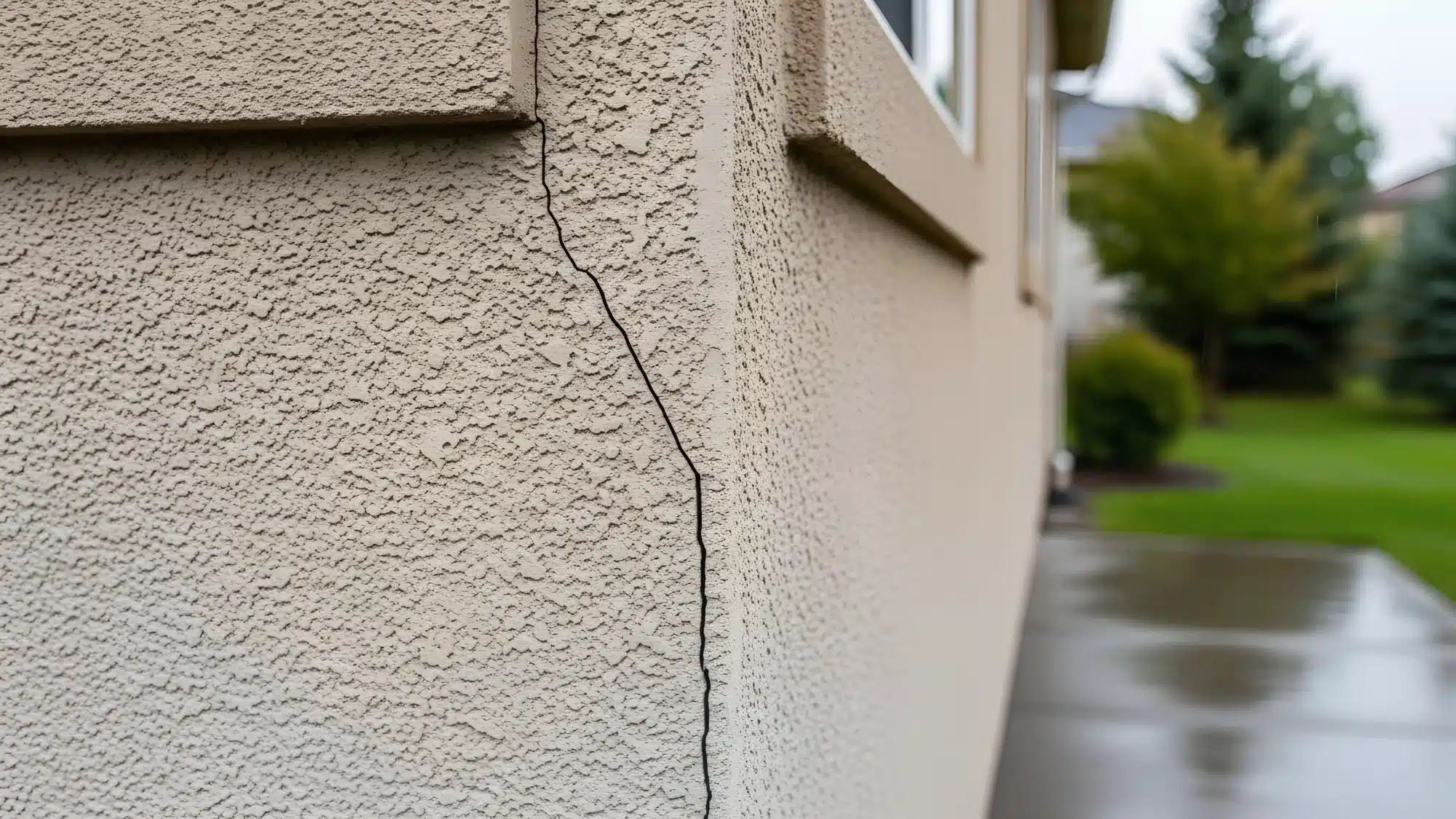
Coastal Florida homes face unique weather and environmental pressures that can affect exterior finishes like stucco. While stucco is durable, cracks are a common concern in this region due to salt air, humidity, heavy rainfall, and soil movement. Understanding the main causes helps homeowners decide when to monitor a small crack or call a professional for repair. For homeowners, local expertise can make a big difference in choosing the right solution. In particular, residents should consider local specialists for stucco repair in Pensacola, FL.
Common Causes of Cracks
Moisture intrusion and salt exposure
The salt-laden air and high humidity in coastal Florida can drive moisture behind the stucco. Water intrusion weakens the substrate and can cause efflorescence, spalling, and cracking over time. Repeated moisture cycles—from rain, humidity, and coastal spray—encourage the cement plaster to shrink and widen existing cracks, especially near openings where water can accumulate.
Foundation movement and framing
Soil types in Florida, including expansive clays, can shift with wet or dry seasons. This movement transfers to wall systems, producing vertical or stair-step cracks, particularly near corners, doors, and windows. When foundation or framing moves, you may notice cracks that persist or continue to evolve after weather events.
Installation and material factors
Improper installation practices contribute significantly to cracking. Inadequate lath attachment, insufficient control joints, poor curing, or mismatched patching materials can create weak points. Florida building practices emphasize proper flashing, moisture barriers, and joint placement to accommodate movement; neglecting these can increase crack risk.
Environmental stressors
Coastal climates introduce temperature swings, high winds, and rain-driven erosion, all of which stress stucco surfaces. Even without dramatic freezes, Florida’s sun and humidity cause expansion and contraction that, over time, manifest as fine or widening cracks, especially on exposed surfaces or where stucco meets other materials.
Maintenance and caulking failures
Deteriorated caulking around windows, doors, penetrations, and joints allows water to reach the stucco substrate. If caulking dries out or cracks, water infiltration can follow and contribute to crack growth. Regular maintenance helps prevent moisture from finding its way behind the finish.
How to Assess Cracked Stucco
Start with a careful visual check. Hairline cracks are common and may be cosmetic, while cracks wider than 1/8 inch or those that continue to grow over time warrant professional evaluation. Note the crack pattern: straight vertical or horizontal cracks may indicate movement, while spiderweb or diagonal patterns can point to different underlying issues. Look for signs of water intrusion, such as staining, soft spots, or efflorescence around the crack. If moisture intrusion is suspected, or if cracks are near penetrations or structural elements, a licensed contractor should assess the system to determine the cause and a repair plan.
Repair and Prevention
For small, non-structural cracks (typically less than 1/8 inch), exterior elastomeric sealants or acrylic caulks can seal the crack and help prevent water entry, followed by a patch or touch-up coating. Larger cracks or those that keep widening require a professional evaluation to identify underlying causes. Solutions may include re-patching, re-stucco, and improved flashing or caulking to stop water ingress. In cases where movement or foundation issues are suspected, structural or framing repairs may be necessary before re-stucco work.
Prevention is largely maintenance-based. Regular exterior inspections, timely caulking around openings, cleaning and resealing, and ensuring proper drainage away from the foundation reduce crack risk. In coastal Florida, selecting materials and fasteners that resist corrosion and ensuring a proper moisture barrier and drainage plane behind stucco are important steps for longevity.
For residents in Pensacola, proactive assessment matters. A qualified contractor for stucco repair in Pensacola, FL will inspect crack patterns, moisture conditions, and flashing details to tailor a repair plan that fits your home and climate.
Cracks in coastal Florida stucco are often driven by moisture, movement, and installation factors, but many can be addressed with timely repairs and preventive maintenance. If you’re in Pensacola and notice cracks, consider reaching out to a local expert. CDP Stucco serves the Pensacola area and can provide stucco repair assessments to help you prioritize repairs and protect your home’s exterior for years to come. Contact us to schedule a professional inspection and a transparent repair plan.